Find a Showroom
What Are Solar Shades?
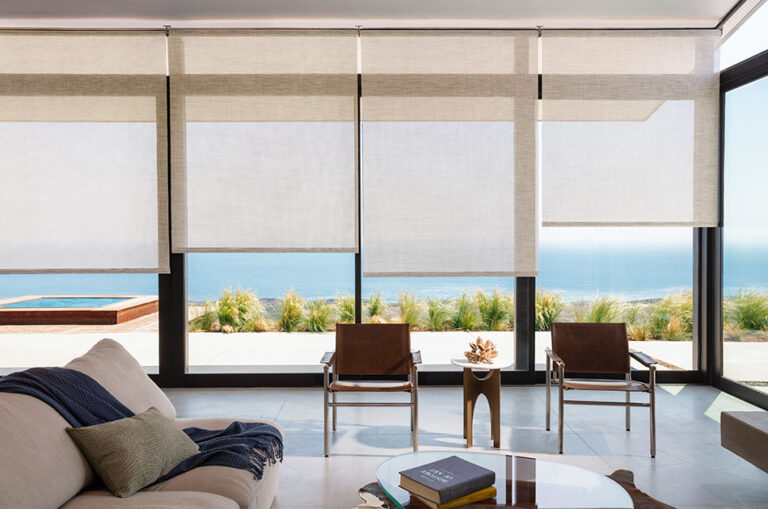
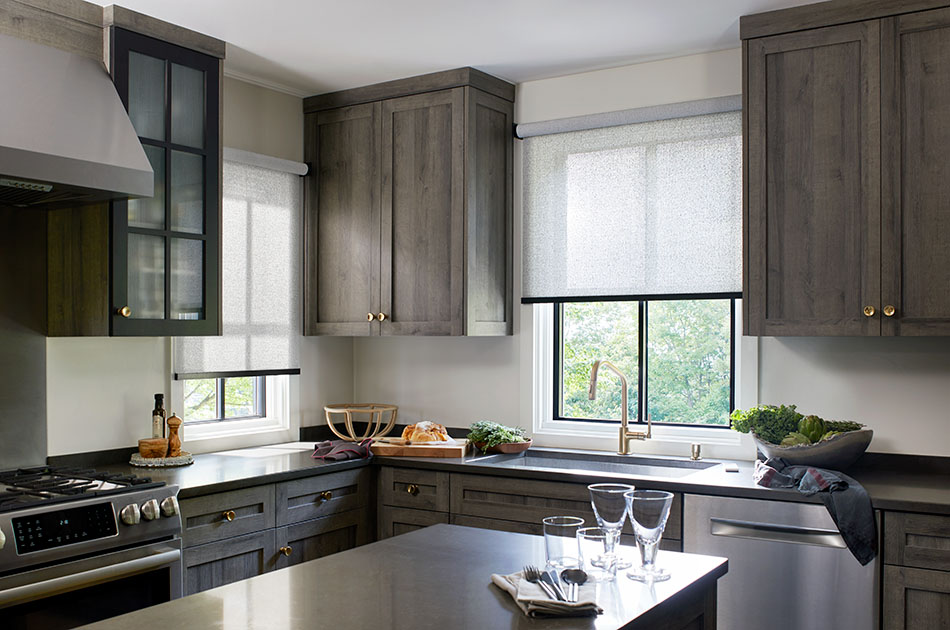
Wondering what Solar Shades are? Solar Shades, also known as solar blinds, are a type of roller shade made with innovative material that blocks UV rays. Solar Shades are unique in that they deliver UV protection while still allowing natural light to filter through. Plus, they offer several other benefits including reducing glare, minimizing heat buildup, protecting against fading and more.
To help you decide whether Solar Shades are right for your space, learn more about what is a Solar Shade, including what they’re made of, transparency levels, benefits and more.
What Are Solar Shades Made Of?
One of the first things to understand is what Solar Shades are made of. Solar Shades are made from a variety of different materials, but most often a mix of synthetic fibers like PVC and polyester. The material is woven more loosely or tightly based on the solar shade’s transparency level, which refers to how well you can see through the shade to enjoy your view outdoors.
The woven construction of the solar material is what makes Solar Shades for windows uniquely effective at managing sunlight. Unlike traditional window coverings that simply block light and the view, Solar Shades are engineered to filter sunlight, reduce glare and help protect interiors from harmful UV exposure all while preserving a connection to the outdoors. The openness of the weave determines how much light enters the room and how clearly you can see through the solar shade material.
Understanding Transparency Percentages
To fully learn what are Solar Shades, it’s important to understand their transparency percentages. Solar Shades come with four main transparency or openness levels, each with more or less of a clear view outdoors. But what do these percentages mean?
Openness percentage is one of the most important considerations when selecting solar window shades. This measurement affects everything from UV protection and glare reduction to daytime privacy and visibility. Lower openness percentages provide greater protection from sunlight, while higher percentages allow more natural light and clearer views of the outdoors.

1% means the shade blocks 99% of UV rays and is also the least transparent.
3% means the shade blocks 97% of UV rays and is semi-transparent.

5% means the shade blocks 95% of UV rays and is a bit more semi-transparent.

10% means the shade blocks 90% of UV rays and is the most transparent.
| Solar Shade Openness Factor | UV Protection | Visibility to Outdoors | Best For |
|---|---|---|---|
| 1% Solar Shades | Highest | Lowest | Rooms with intense sun exposure or strong glare |
| 3% Solar Shades | Excellent | Moderate | Living rooms, dining rooms and home offices |
| 5% Solar Shades | Very Good | High | Everyday use throughout the home |
| 10% Solar Shades | Good | Highest | Spaces with scenic views and lower sun exposure |
These percentage options are the most common, but others exist, including a 25% openness option from Chilewich. Choosing the right percentage for your room will mostly depend on your preferences for transparency, as even blocking just 75% of UV rays still provides significant UV protection.
Benefits of Solar Shades
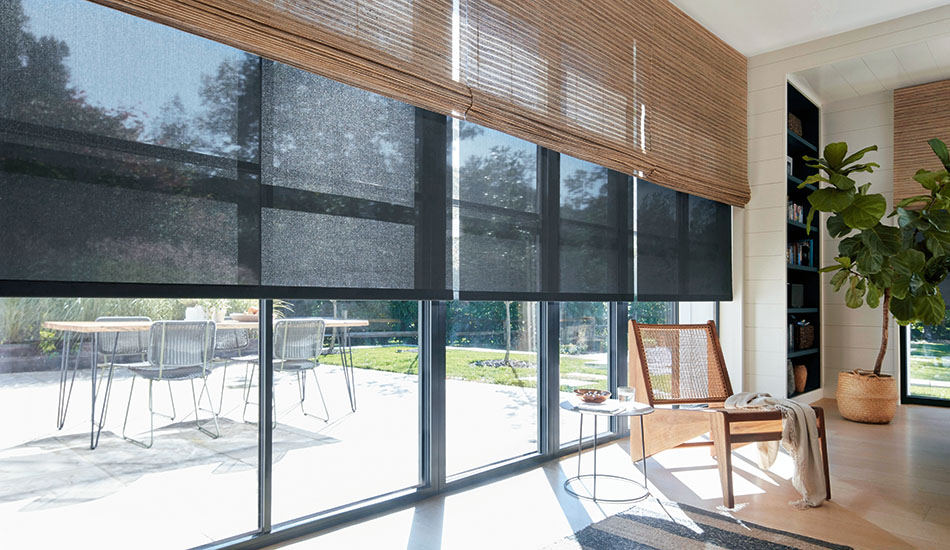
When deciding whether Solar Shades are right for your space, their benefits are an important factor to consider. Thanks to their innovative UV-blocking material, Solar Shades deliver several unique benefits beyond other types of shades:
- Filters harmful UV rays: As you’ve already learned, Solar Shades are able to filter out harsh UV rays that are responsible for fading your furnishings and causing glare and heat buildup.
- Softens glare: Solar Shades soften the natural light entering your windows for significantly reduced glare.
- Prevents fading: By blocking harsh UV rays responsible for washing out the colors of your favorite furniture, floors, artwork and more, Solar Shades prevent fading, keeping your décor looking richly hued and newer for longer.
- Reduces heat buildup: Solar Shades help regulate interior temperatures by blocking heat-generating UV rays, keeping sunlight-filled spaces cooler. With cooler indoor temperatures, you may be able to save on your utility costs by using less energy for air conditioning during the warmer months.
- Easy to clean: Solar Shades, thanks to their innovative material make-up, are easy to clean. Plus, certain solar shade materials also feature Microban® certification, which means they offer anti-microbial benefits.
- Eco-friendly choices: Many solar shade materials, like the Sunbrella® Collection, feature green certifications like GREENGUARD and OEKE-TEX. Others still, like our Eco Solar Shades, are made from recycled content and/or are recyclable at the end of their useful life.
Now that you understand what Solar Shades are made of, their transparency levels and other benefits, you may still wonder, how are they different from regular shades?
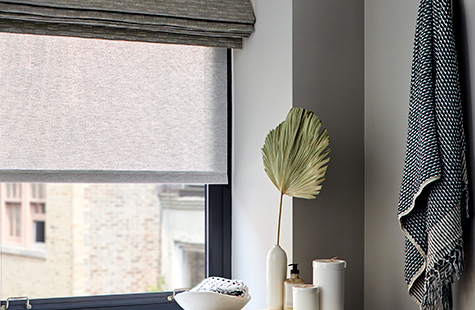
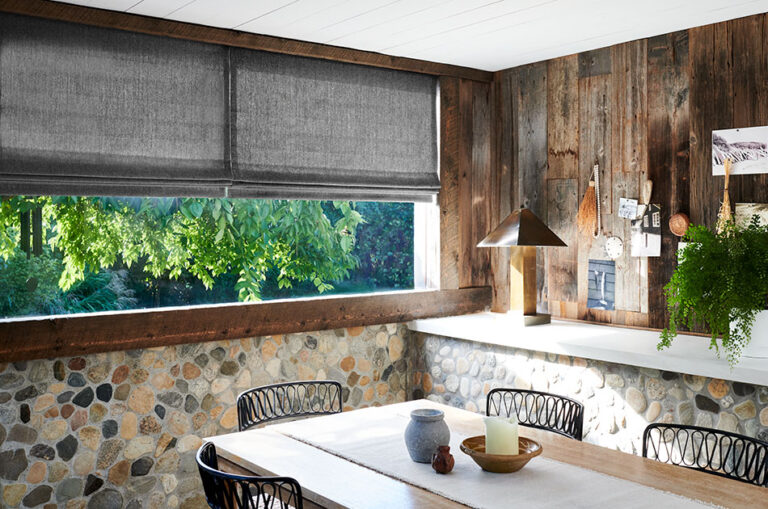
Pictured: Inner Layer: Solar Shade, Sunbrella 3% Sonoma in Light Grey and Outer Layer: Flat Roman Shade, Upton in Pebble
How Are Solar Shades Different from Regular Shades?
Solar Shades are most often compared to Roller Shades, thanks to their similar design and functionality. But the two differ substantially. Roller Shades are made from a variety of textiles, from blackout to light filtering materials. Solar Shades are made from synthetic material designed specifically to block UV rays without entirely blocking light or your view.
When to Use Solar Shades for Your Space
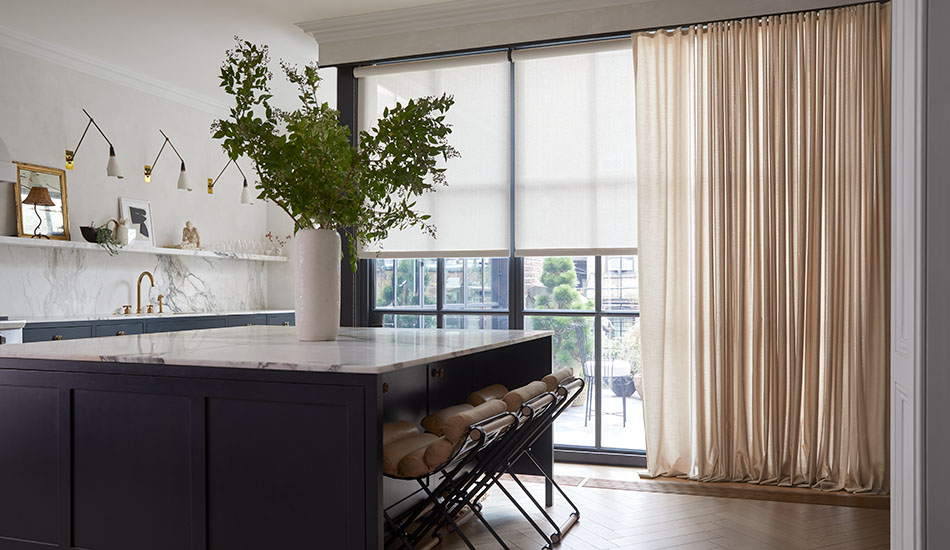
You now know what Solar Shades are, but how do you know whether they are right for your space?
Some situations where Solar Shades are ideal include:
- Sun-filled, well-loved rooms like living rooms and dining rooms, where you feature your favorite furniture, artwork and décor. Solar Shades will help you continue to enjoy the natural sunlight during the day while helping reduce fading on furnishings.
- Any room with a screen, like living rooms, home offices or media rooms with TVs and monitors, as Solar Shades will help to cut the glare on your devices.
Solar roller shades for windows are also an excellent solution for large windows, open-concept living areas, sunrooms and any space where preserving natural light is a priority. Their clean, simple appearance complements both contemporary and traditional interiors while helping reduce glare on screens, artwork and reflective surfaces throughout the home.
Do Solar Shades Provide Privacy?
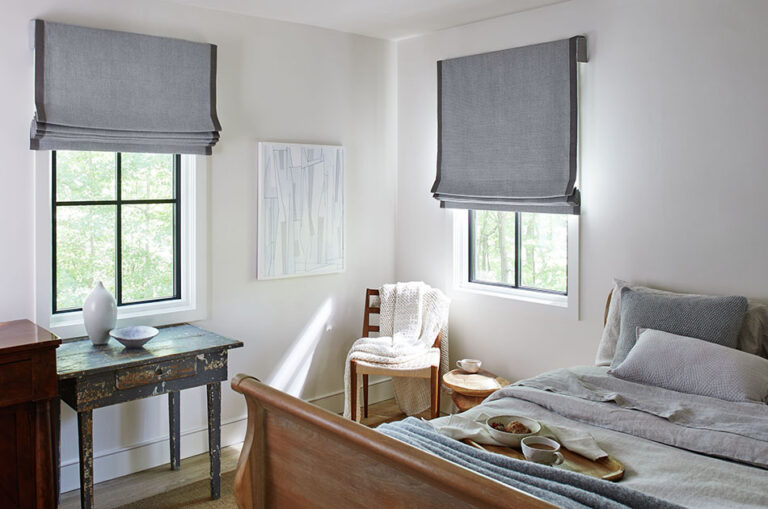
When learning about what are solar shades, a key question you might have is about how much privacy they provide. Solar Shades can provide daytime privacy by limiting visibility into your home, depending on the openness level and lighting conditions. However, be aware that once it’s dark out, anyone outside will be able to see indoors through the Solar Shade. To get the privacy you need, consider layering Solar Shades with blackout Drapery or a Roman Shade to give you the best of both worlds.
Do Solar Shades Block Out Heat & Cold?
Solar Shades can help reduce heat buildup by filtering UV rays and softening direct sunlight. However, when it comes to the cold, Solar Shades will not provide you with much protection. To block out the cold from drafty windows, layer your Solar Shades with Drapery or Roman Shades that can help insulate your home. Another option is Cellular Shades. Cellular Shades feature a honeycomb design that creates insulating air pockets, helping support a more comfortable interior temperature through each season.
Find the Right Solar Shade Material for Your Home
With the question what is a solar shade answered, you likely know they’re a great choice for many windows in your home. To find the right material in terms of transparency, UV protection and, of course, color, pattern and texture, order complimentary swatches of as many Solar Shade materials as you like to compare in the comfort of your home. And if you have questions, don’t hesitate to reach out to your nearest showroom, where you’ll find helpful Design Consultants ready to assist.
ORDER YOUR FAVORITE SWATCHES FOR FREE
Compare as many of your favorites from our collection of 1,200+ premium materials at home when you order free swatches online.