Find a Showroom


Your Guide to Different Drapery Styles & Types
Drapery has the power to transform a room, whether it’s creating the illusion of a taller ceiling or larger windows, adding a pop of color and texture to your décor, or framing a beautiful view outdoors. Dramatic or subtle, drapery gives your room a finished, inviting look and feel. And with a wide variety of drapery styles available, finding the right pleat, fabric, hardware and functionality is all within your grasp.
Drapery styles are typically defined first by their pleat. The pleat refers to how the drapery hangs, what kind of folds it creates and whether the overall look feels traditional, tailored, relaxed or modern. From there, drapery can also be grouped by how it functions, whether it is designed to open and close every day or remain stationary as a decorative frame.
To find the right look for your home, compare the main drapery pleat styles, then consider how fabric, lining, hardware and control type affect the final style and functionality of your window treatment. These details can shape everything from how the drapery panels stack and move to how much light control and privacy they add to the room.
Key Takeaways
- Curtains and drapery come in eight custom pleat styles, from sleek Ripple Fold to ornate Goblet.
- The pleat, or curtain top, defines the style and look. Fabric, lining, hardware and length add character and functionality.
- Ripple Fold, Tailored Pleat, Pinch Pleat and Cubicle glide easily for windows you open daily.
- Grommet, Inverted Pleat, Goblet and Rod Pocket are primarily decorative, best as stationary panels.
- Hardware options include rod and rings, track systems and motorization, each offering different levels of functionality.
In this article
What Are Drapery Panels?
Drapery panels refer to the sections of fabric that make up your drapes or curtains, framing a door or window while helping control light, privacy and the overall look of a room.
They can be used on their own as a complete window treatment or layered with other window treatments like shades or blinds for greater functionality and design dimension. Depending on the pleat style, fabric, lining and hardware, drapery panels can be designed to open and close for everyday use or remain stationary to frame the window decoratively.
Curtains vs. Drapery: What’s the Difference?
In general, the terms “curtains,” “drapes” and “drapery panels” are used interchangeably. All three refer to fabric window treatment panels hung at a window or door.
In some cases, drapes or drapery refer to more formal, floor-length panels made with heavier fabric, often with lining for added privacy, light control or fullness. Curtains may refer to lighter, more casual panels tailored to the window size, such as café curtains. In most home design conversations, however, the terms mean largely the same thing, and the right choice comes down to the material, length, pleat style and function you want.
The 8 Curtain Pleat Styles
Every style below is defined by its pleat, the way the fabric is gathered and finished at the top. Some of these types of drapes glide open and closed for everyday use, while other drapery styles are made to stay put and frame a window. Here are the eight to choose from.
Ripple Fold Drapery

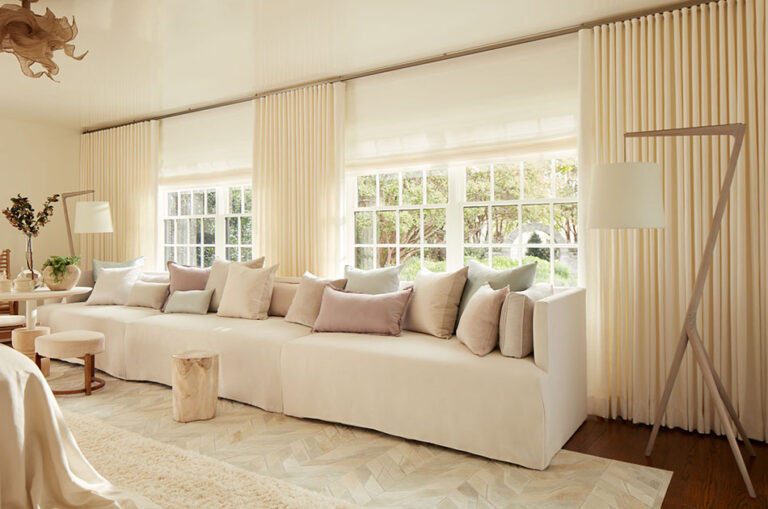
Ripple Fold Drapery creates beautiful S-curves whether stacked (pushed to the side of your window) or drawn open. This type of drapery is typically considered sleek and modern but is versatile enough to suit a wide variety of styles. Plus, with its track system, the drapery glides effortlessly back and forth for excellent functionality.
Contemporary Refinement: Ripple Fold Drapery

Create a sleek, refined look with Ripple Fold Drapery. Whether a white sheer or solid blackout color, Ripple Fold creates subtle highlights and lowlights along its clean curved lines that look decidedly contemporary. To stick to the contemporary theme, be intentional about how you hang your curtains: Floor-to-ceiling curtains accentuate your ceiling’s height while framing tall windows or even glass doors perfectly. You can also create intentional contrast with your drapery hardware, by choosing a color and style that contrasts with the color of your walls and drapery.
Tailored Pleat Drapery

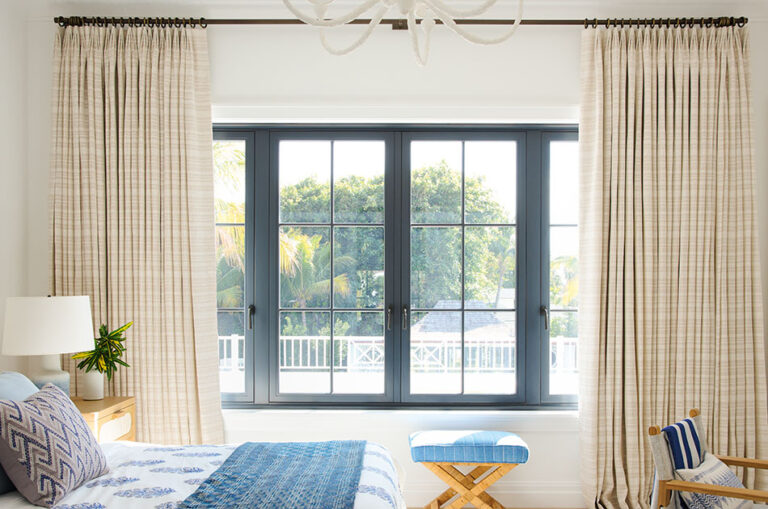
Tailored Pleat Drapery is a popular style of drapery and features three “fingers” pinched at the very top of the material. These carefully handcrafted pleats create a streamlined look from the top of the curtains to the bottom for a more modern appearance. Whether applied to a track system or rod and rings, Tailored Pleat Drapery is easy to operate for optimal functionality.
Modern Elegance: Tailored Pleat Drapery

For drapery styles that blend modern design with a touch of traditional elegance, Tailored Pleat Drapery is a perfect choice. Thanks to its streamlined look, Tailored Pleat Drapery is ideal for tall windows or glass doors, or it can readily create the illusion of taller windows and walls when paired with shorter windows. To tie into your modern yet elegant décor, choose a material with a soft, pared-back pattern. The subtle pattern adds a touch of visual interest without being too ornate or taking away from other elements in your room like accent furniture or wall art.
Pinch Pleat Drapery

Pinch Pleat Drapery is a classic that’s having a revival. With pleats pinched four inches from the top, the drapery creates a natural visual break with a simple, elegant shape. Similar to Tailored Pleat, Pinch Pleat Drapery is highly functional especially when used in a drapery track system. While typically grouped with other traditional drapery styles, Pinch Pleat Drapery is versatile enough to be used in a variety of homes, from traditional to contemporary.
Classic Sophistication: Pinch Pleat Drapery

Choose versatile Pinch Pleat Drapery to add a touch of classic sophistication to an otherwise contemporary, minimalist room. Keep the drapery design simple with a solid-colored material in a neutral shade like grey, beige or white to maintain a sense of minimalism while also highlighting the elegant detailing of the drapery pleat styles. For a subtle sense of luxury, measure your custom drapery length a few inches longer than you need so the curtains trail gently on the ground.
Inverted Pleat Drapery

Inverted Pleat Drapery has flat, crisp pleats across the top for a look that’s formal and stately without being overbearing. Compared with other more functional drapery styles, Inverted Pleat Drapery is primarily used decoratively, as it doesn’t stack as nicely as other drapery pleat styles. If you love the look of Inverted Pleat Drapery but desire greater functionality, consider layering it with Roller Shades or Roman Shades that give you easy light and privacy control.
Distinguished & Chic: Inverted Pleat Drapery

With its crisp, angular design, Inverted Pleat Drapery adds a distinguished aesthetic to any room. With its pointed, geometric shape, this style of drapery is ideal for design styles that champion linearity and symmetry, from modern design to neoclassical design to traditional design.
Pair it with sleek Roller or Solar Shades for a layered look that veers toward modernity, while allowing you greater control of your light and privacy. For a softer traditional or neoclassical look, pair the decorative Inverted Pleat Drapery with a functional Roman Shade design like Flat Roman Shades or Cascade Roman Shades.
Goblet Drapery

For romantic, feminine drapery styles, look no further than Goblet Drapery. With a handcrafted goblet shape at the top of the curtain, this type of drapery delivers luxurious elegance. Similar to Inverted Pleat Drapery, Goblet Drapery is best used in decorative applications where it won’t be opened and closed every day. This is because the goblets don’t fold as nicely on themselves as other drapery styles, so when the curtains are drawn open, you may lose a bit of the sophistication you love.
Ornate Luxury: Goblet Drapery

Goblet Drapery delivers a sense of ornate luxury to any space. This lavish style suits any room, whether you have wall-to-wall drapery or just a couple of panels around a single window or door. While typically lumped in with other more traditional drapery styles, you can strategically incorporate Goblet Drapery in a wide variety of spaces, including contemporary, neoclassical or mid-century modern.
For even more opulence with this style, choose a natural, high-end material like silk with its soft, inviting sheen or linen with its billowy upscale boho look. Or opt for a more resilient material like cotton in an intricate pattern or with a metallic luster to give you the glamorous look you want with the durability you need.
Grommet Drapery

Grommet Drapery features rings pressed into the curtain material, about one inch from the top. Thanks to these rings, Grommet Drapery creates deep dramatic pleats that give you a modern, linear look. However, the rings make it somewhat difficult to move the drapery back and forth, meaning this style of drapery is best used for decorative applications.
Casual Modernity: Grommet Drapery

Add deep vertical lines to your design with Grommet Drapery. Used decoratively at the edges of your windows, this type of drapery creates a streamlined, unadorned look that is casual and modern. The relaxed style can help soften the look of more elaborate rooms for a more inviting ambiance. To accentuate the linear design of Grommet Drapery, choose a solid color material so the folds create alternating bands of shadow and color.
Rod Pocket Drapery

With a sewn pocket at the top, Rod Pocket Drapery accommodates typical curtain rod hardware. The design creates a gathering of fabric at the desired places across the width of the rod. As far as drapery pleat styles go, Rod Pocket Drapery creates a very casual look with uneven pleats across its width, thanks to how the fabric gathers or stretches across the rod. This style of drapery is best for decorative applications.
Traditional Charm: Rod Pocket Drapery

Rod Pocket Drapery best suits more relaxed styles of homes thanks to its uneven pleats and informal aesthetic. Accentuate the relaxed look and feel with a patterned material featuring horizontal lines. The visual breaks in the linear pattern give the design a rustic charm ideal for a farmhouse style that embraces imperfections.
Since it’s difficult to open and close Rod Pocket Drapery, it’s best to pair it with functional Roller, Solar or Roman Shades that complement the drapery while delivering greater privacy and light control.
Cubicle Drapery

Cubicle Drapery features small grommets a few inches from the top of the curtain that attach to hook carriers in a track system. This style of drapery is highly functional and easy to use. Plus, with wide, gentle waves and less overall fabric than other drapery styles, Cubicle Drapery features a very small, tight stack, ideal for smaller spaces.
Simple & Sleek: Cubicle Drapery

Cubicle Drapery gives you soft, gentle waves that, like Rod Pocket Drapery, create a more relaxed vibe compared to more formal drapery styles. Thanks to its superior functionality and truly minimalist look, Cubicle Drapery is ideal for modern designs where form follows function.
Designer Insight
Start with how the drapery will be used. If it’s a window that opens daily, choose between Ripple Fold, Tailored Pleat, Pinch Pleat, and Cubicle. If the panels will stay stationary, Goblet, Inverted Pleat, Grommet, and Rod Pocket come into play. From there, it’s about matching the pleat to the room. Ripple Fold and Cubicle feel modern. Pinch and Tailored read classic. Goblet and Inverted Pleat lean formal. Rod Pocket and Grommet feel the most relaxed.
How to Choose the Right Drapery Style
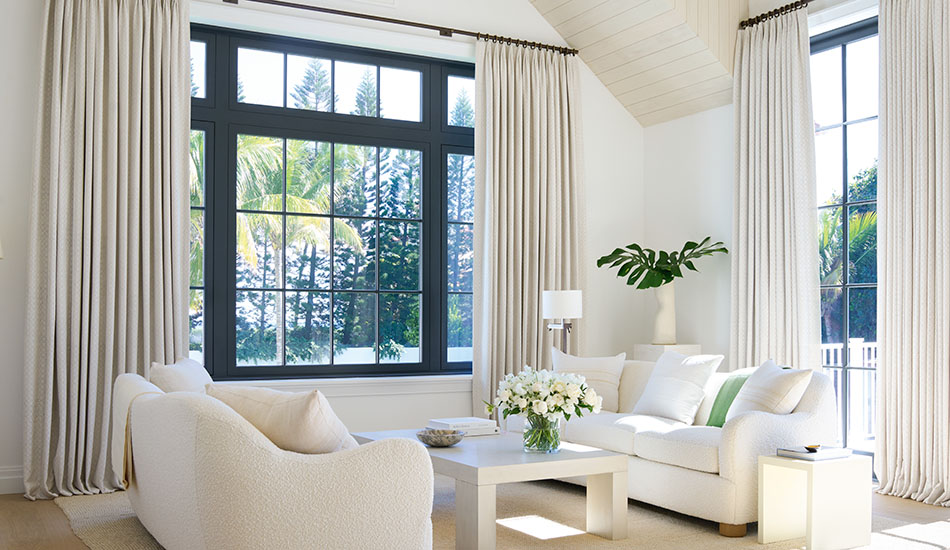
Once you understand the main drapery pleat styles, the next step is choosing the combination of style, function, fabric and length that works best for your space.
- Capture the Right Aesthetics – Pleat style and material texture, pattern and color all contribute to a certain aesthetic, so be sure to choose the right combination to complement your room’s existing style, whether it’s traditional, modern, coastal, boho or another style.
- Assess Your Functionality Needs – Different pleat styles have different levels of functionality, with some being very functional and easy to use while others are better suited as stationary, decorative drape panels.
- Choose the Right Length & Width – Drape panels are available as premade options with predetermined lengths, as well as custom panels, like those from The Shade Store, that can be tailored to your specific window size and aesthetic preferences. With custom drapery panels, you have the option to choose the perfect width to get an ideal stack and fullness as well as your preferred length, whether you want the panels to float just above the floor, kiss the floor, or puddle luxuriously on the floor.
- Get the Right Light & Privacy Control – Drapery linings like privacy and blackout lining can give you better privacy and a room-darkening effect, based on your needs. Plus, lining also means better insulation against drafty windows.
Comparing Types of Drapery & Customization Options
| Style | Operation | Aesthetic | Best For |
|---|---|---|---|
| Ripple Fold | Functional (track) | Sleek and modern | Everyday windows and sliders |
| Tailored Pleat | Functional | Modern with a tailored edge | Everyday windows, transitional rooms |
| Pinch Pleat | Functional | Classic and dressed up | Formal living and dining rooms |
| Cubicle | Functional (track) | Minimal and relaxed | Everyday windows, tight-stack spaces |
| Inverted Pleat | Decorative | Crisp and architectural | Stationary panels, modern to neoclassical |
| Goblet | Decorative | Ornate and luxurious | Formal stationary panels, tall windows |
| Grommet | Decorative | Casual and linear | Stationary panels, modern casual rooms |
| Rod Pocket | Decorative | Soft and informal | Stationary panels, farmhouse and casual rooms |
Customizing Drapes: Fabrics, Lining & Hardware
To find the right drape panels for your room, you can choose from several different customizations in terms of:
- Drapery pleat styles
- Fabric and lining
- Hardware
Discover your customization options to learn which might be the right choice for your space.
Fabric & Lining for Drapery Panels
The right fabric and lining for your drapery panels will transform your room aesthetically and functionally. Explore fabric and lining and learn tips for choosing the right options for your space.
Drapery Fabrics
Fabric choice influences your drapery in two ways:
- Aesthetics: What color, pattern and texture achieve the look you want?
- Functionality: Which fabrics have the performance you need?
Fabrics for drapery panels fall into two main categories: natural and synthetic fabrics. Both natural and synthetic fabrics offer a wide range of colors, patterns and textures, so it’s best to consider the level of performance you need from the material first, and then dive into your aesthetic choices.

Natural Fabrics: Imperfect Beauty
Natural fabrics include materials like delicate silk and hardy linen and wool, all of which deliver their own unique character-rich looks. These materials are prone to stretching and wrinkling, but these imperfections are expected and often desirable. These characteristics add to the charm of your drapery panels and showcase the natural material.

Synthetic Materials: Pristine Performance
Synthetic fabrics like Sunbrella are more durable and deliver a pristine, unaffected look. These materials are resistant to staining, stretching, wrinkling and more, making them ideal for more active rooms like kitchens, living rooms or kids’ rooms. While they lack the charm of natural fibers, they make up for it with the peace of mind that comes from their durability.
Drapery Lining
In addition to the fabric of your drape panels, you also have the option of adding drapery lining. Lining options include privacy lining, blackout lining and privacy lining with a cotton flannel interlining. All types of lining protect your drapery fabric from harmful UV rays, which can cause fading and deterioration over time, especially to natural fibers. And all lining, especially blackout and privacy with interlining, help add body and fullness to your drapery panels for a lush, full look.
In addition to their shared benefits, each type of lining also has its own unique benefits that will help you in deciding which type is right for you:
- Privacy Lining: Allows some light to pass through for a soft glow, but still offers good privacy for your peace of mind.
- Blackout Lining: Blocks up to 99% of light for a tranquil room darkening effect and excellent privacy ideal for bedrooms.
- Privacy with Interlining: Provides excellent privacy and extra insulation thanks to its cotton flannel interlining that helps block drafty windows.
- Unlined: Choosing no lining for your drape panels is also an option. Reasons you might choose no lining include for drapery sheers which are ideal for filtering and softening light or for synthetic drapery material that will be less affected by UV rays.
Drapery Hardware
Drapery hardware is an essential part of how your drapery panels will open and close, so it’s important to think about what kind of functionality you’ll need for your panels. Depending on the type of pleat style you’ve chosen, you’ll have the option of choosing one of the following hardware systems:

rod & rings
The traditional type of drapery hardware, rod and rings consist of a curtain rod and matching rings from which the drapery panels are hung. This system offers the most aesthetic options so you can find just the right look and delivers simple functionality for everyday use.
Compatibility: All pleat styles except for Ripple Fold and Cubicle Drapery.
track system
A track system consists of a track with carriers to which the drapery panels are attached. The carriers allow you to easily slide the panels back and forth with effortless ease. Plus, you have several design options ranging from sleek and minimalist to more elegant designs.
Compatibility: All pleat styles except for Grommet and Rod Pocket Drapery.


motorized track
A motorized track features a sleek, minimalist design and comes with a remote that allows you to control your drapery panels with the press of a button. Some motorized systems can also be paired with an app on your phone or with your smart home device.
Compatibility: All pleat styles except for Grommet and Rod Pocket Drapery.
How to Hang, Measure, and Install Drapery Panels
Now that you have an overview of the styles, types, and customization options for drapery panels, you’re likely wondering, what size drapery panel do I need, and how do I hang them for the best look? Learn more about how to hang, measure, and install your drapery.

Best Practices for Hanging Drapery
The first step to ordering drapery is to learn the best practices for hanging your drape panels so that they accentuate your window and room.
Generally, the best practice for hanging drapery includes:
- Hang Them High & Wide: Hanging your drapery panels at least 12 inches beyond the window frame on either side and a little more than halfway between the top of the window frame and ceiling creates the illusion that your window is larger, and your ceiling is taller.
However, the best height for your curtain rod may vary slightly depending on the following factors:
- For rooms with shorter ceilings without a lot of space between the top of the window and the ceiling, hang your curtains just below the ceiling, or better yet, ceiling-mount them.
- For rooms with cathedral ceilings, hang your curtains about 8 to 10 inches above the top of your window frame to help the window feel taller without going too high with your drapery.
- For rooms with crown molding, hang the drapery just below the crown molding to avoid an awkward gap between the top of your drapery and the start of the crown molding.
How to Measure for Drapery
Once you know how you’re going to hang your drape panels, you’re ready to measure your ordering length and width. Learning how to measure for drapery is especially important if you’re ordering custom drapery, but it can also be helpful in choosing premade drape panels that are closest to your desired dimensions.

Measuring Width
To measure the width, measure the width your curtain rod will extend, making sure it extends about 12 inches beyond the window frame on either side. When ordering from The Shade Store, this is your ordering width. If ordering elsewhere, you may need to multiply the width of your curtain rod by 1.5 or 2 to ensure you get a lush, full look. At The Shade Store, we do this math for you and take your chosen drapery fabric and lining into account to give you the optimal fullness.

Measuring Length
To measure the length, measure the distance from where you want the rod or track system to be to the floor. For float-length drapery, measure from your rod to about ½ inch off the floor. For break-length drapes, add 1 to 2 inches to your curtain’s float length. For a puddle effect, add 3 to 6 inches to your curtain’s float length.
How to Install Drapery
Installing your drapery will of course vary based on the type of hardware you’ve chosen, but in general, your steps will include:
- Step 1: Gather tools. You’ll likely need a stepladder, pencil, tape measure, level, drill and screwdriver, but check your drapery’s specific install instructions for an exact list.
- Step 2: Measure bracket placement based on your hardware’s width. Be sure to check your drapery hardware install guide to ensure proper spacing of brackets.
- Step 3: Install the brackets with the correct tools as indicated in the installation guide for your drapery hardware.
- Step 4: Mount the rod or track system and hang your drape panels.
Caring for Drapery Panels
After installing your drape panels, it’s important to care for them so they look their best for the long-haul. Specific maintenance needs will depend on the drapery fabric you’ve chosen, but in general, all materials should be vacuumed now and then with a low-suction, handheld vacuum to remove dust and dirt. If dirt gets embedded or you have a stain, you may need to contact a local window treatment cleaning specialist who can treat your drapery on site.
Get Insights for your drapery project
With an overview of drapery styles and customization options, as well as tips on how ot order, discuss your project with one of our expert Design Consultants. Schedule a design consultation to talk about your ideas, ask questions and get the guidance you need to make the best selections for your needs and preferenes.

GET THE GUIDANCE YOU NEED
Schedule a free design consultation with our talented Design Consultants for guidance on product choice, material selection and more.