Find a Showroom
Drapery Lining: Types, Fabrics, and Examples
If you’re researching drapery lining types, you’re likely comparing how different linings affect privacy, light control, insulation, and the overall look of your drapery. The right drapery lining fabric can help protect your material from sun damage, add fullness, and improve the way your panels hang.
Before choosing the best option for your space, it helps to understand what a curtain liner is, what fabrics are commonly used, and how each lining type can enhance your window treatments.
What Is a Drapery Liner?
A drapery liner is an extra layer of fabric sewn, buttoned or attached with Velcro into the back of a drapery panel to provide better privacy, light control, sun protection, fullness, and insulation. Different types of drapery lining provide different levels of these benefits.
What Fabric Is Used for Drapery Lining?
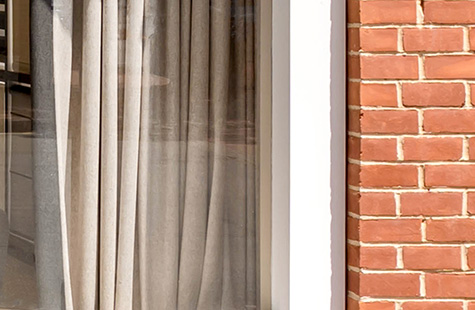
Cotton, polyester and blends of the two are the main materials used for drapery lining and typically come in a neutral tone like white or cream. You can also line your drapery with the same material used on the front in either the same or a contrasting color, but this material may not provide the same protection as a dedicated lining fabric. At The Shade Store, our linings are either polyester, cotton, or a blend of the two and come in white and off-white tones.
Benefits of Drapery Lining
Regardless of the type of drapery lining you choose, all of them offer several universal benefits including:
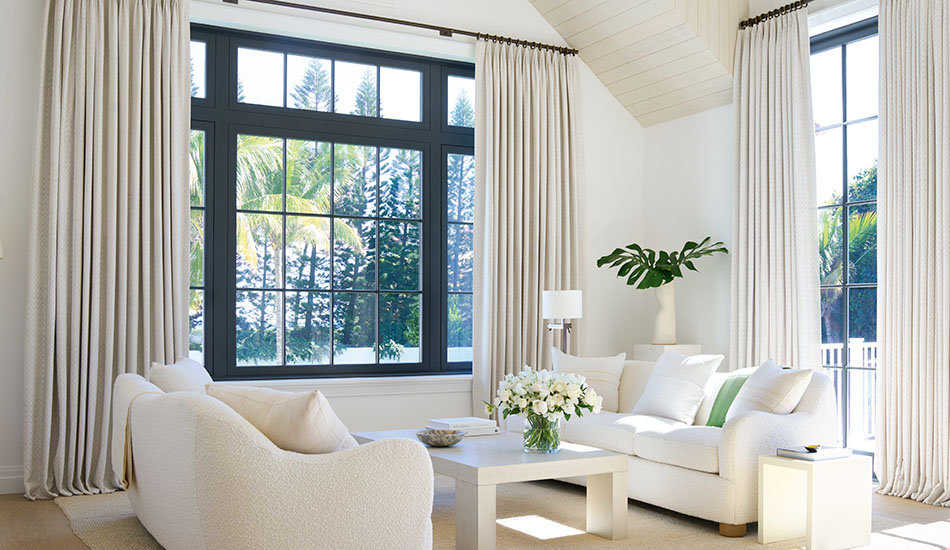
- Sun protection – Lining protects your front-facing drapery material from the sun’s harmful rays which could otherwise cause fading and even deterioration.
- Insulation – Any extra layer of fabric can add insulation for better energy-efficient window treatments, helping reduce drafts and heat buildup. The thicker the drapery lining fabric, the greater the insulation benefit.
- Better light control – Lining helps to further soften natural light or block it entirely, based on the type of lining you choose.
- Better privacy – Lining provides another layer to block the view from the outdoors into your home and vice versa, so you have greater peace of mind in your privacy.
- Adds visual weight and fullness – The additional fabric gives your drapery panels a more defined silhouette for greater lushness and fullness.
drapery lining types
Now that you know what a drapery liner is, as well as the universal benefits of lining, you’re ready to learn about the different drapery lining types so you can decide which one best suits your needs.
These drapery lining types are those offered by The Shade Store, and all are sewn on the back of your drapery panels at the time of purchase. We do not sell drapery lining separately.
Privacy Drapery Lining
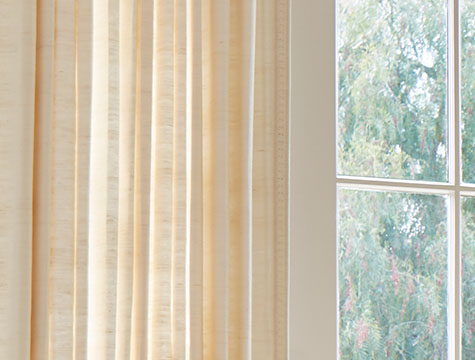
Privacy lining provides excellent privacy for peace of mind while still letting some natural light gently filter through.
We offer two privacy drapery lining types:
- Privacy White, 100% Polyester – Used when your chosen fabric is any material except a sheer fabric.
- Soft Privacy White, 70% Polyester, 30% Cotton – Used when your chosen drapery lining fabric is a sheer fabric.
Choose this for: Excellent privacy, an inviting light-filtering glow, and good insulation.
Blackout Drapery Lining
Made of tightly woven polyester, Blackout Lining blocks up to 99% of natural light, offering the best privacy and a room-darkening effect ideal for bedrooms.
Blackout lining is available as Blackout White, a 100% Polyester material that is used standard with most fabrics.
Choose this for: The best privacy, a peaceful room darkening effect, and great insulation.
interlining Drapery
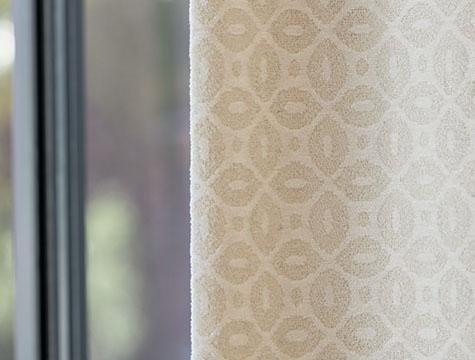
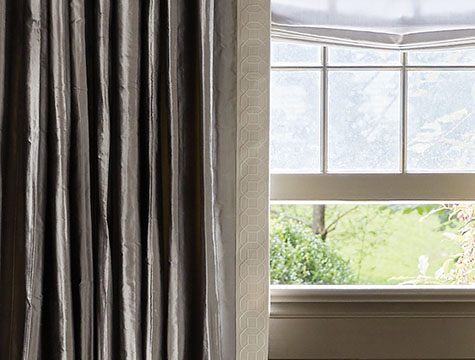
Interlining consists of an additional fabric added between your chosen lining (privacy or blackout) and the front-facing drapery fabric. The result is better insulation and an even fuller, more luxurious body for your drapery panels.
Interlining is available as Interlining White, a 100% cotton material used standard whenever interlining is specified.
Choose this for: Excellent privacy, a soft, muted glow, and the best level of insulation.
Unlined Drapery
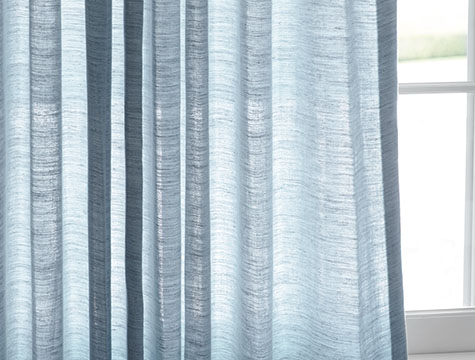
Unlined drapery refers to panels that have no lining at all. Not lining your drapery allows you to experience the fabric’s natural light filtration, color and texture. Unlined drapery is most common for sheer materials, since these lightweight fabrics are made specifically for their ability to filter and soften natural light.
Choose this for: Some privacy and lots of softened natural light that highlights the material’s texture.
How Do You Attach Lining to Curtains?
Drapery lining can be sewn, buttoned, clipped or even Velcroed into the back of your drapery panel, depending on how it was made. At The Shade Store, we only offer lining sewn by professional artisans into the back of your newly ordered drapery panels for the very best effect and highest quality. We do not sell lining separately.
Curtain Lining Fabric Inspiration
Now that you know what the different drapery lining types are and their benefits, see curated spaces featuring drapery with curtain lining fabric to get ideas and help solidify your decision.
Soft Light & Privacy
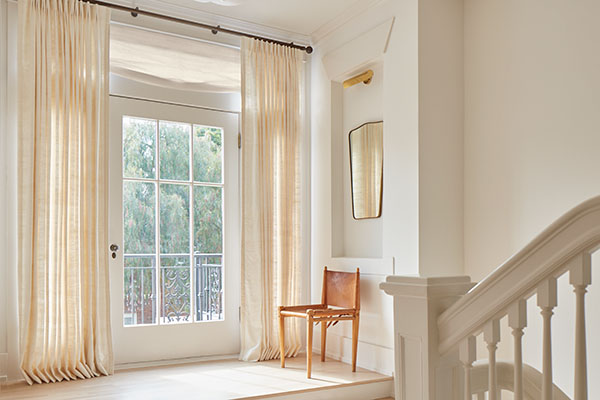
In a transitory space like a stairwell landing, privacy-lined drapery can help ensure the perfect amount of softened light during the day for safe movement unhindered by glare or too much darkening. Plus, the lining will provide excellent privacy whenever needed. And when you choose a delicate, natural fabric like Raw Silk, privacy lining helps protect the material from the sun while still allowing light through and highlight the fabric’s natural texture.
Pictured: Outer Layer: Tailored Pleat Drapery, Raw Silk in Glacier, Privacy Lining and Inner Layer: Relaxed Roman Shade, Luxe Sheer Linen in Off-White
Tranquil Room Darkening & Added Visual Weight
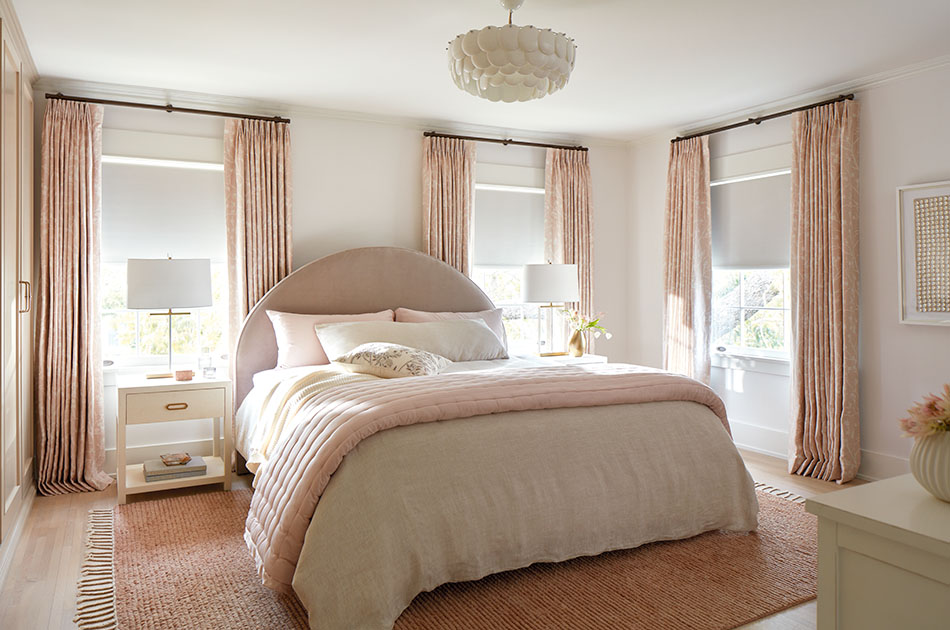
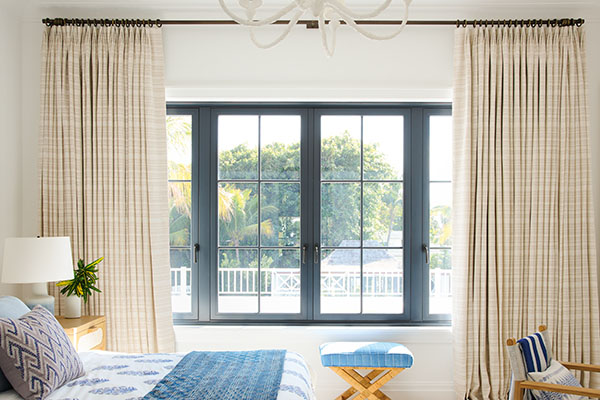
In a bedroom, blackout lining can help improve sleep by providing a tranquil room darkening effect that blocks up to 99% of natural light. For the best room darkening, add blackout lining to thicker materials like wool, cotton or linen. With its thickness and stiffness, blackout lining also adds visual weight to your drapery for a fuller, more defined appearance.
Pictured: Tailored Pleat Drapery, Victoria Hagan, Tidal Line in Natural, Blackout Lining
Insulation & Lush Fullness
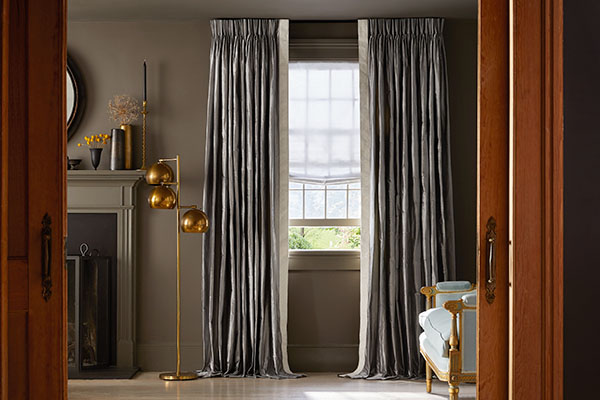
For any room that has a bit of a draft, interlining with either privacy or blackout lining gives you excellent insulation from the cold. Plus, for formal rooms, it can be used to create a lush, full appearance for your drapery, which makes elegant materials like silk or wool look and feel even more opulent.
Pictured: Outer Layer: Pinch Pleat Drapery, Silk Dupioni in Pewter, with Samuel & Sons Sakiori Embroidered trim in Saltand Inner Layer: Relaxed Roman Shades, Silk Dupioni in White
Finalize Your Drapery and Curtain Lining Selection
Now that you’ve reviewed drapery lining options and inspiration for your fabric curtain lining options, you likely have a strong sense of which lining will work best for you. Visit a local showroom today to compare drapery lining types in more depth as well as pick up swatches of drapery material so you can create the perfect design for your aesthetic style and functional needs. Plus, you’ll meet our expert Design Consultants who can help answer your questions and guide your selection process.
FAQs About Drapery Lining Types and Fabrics
What do unlined curtains mean?
Unlined curtains are curtains made without a separate curtain lining or drapery lining attached to the back. Unlike lined drapery, unlined curtains allow more natural light to filter through and highlight the fabric’s texture, color, and weave.
Do lined curtains block out light?
Not all lined curtains block out light. The amount of light reduction depends on the curtain lining or drapery lining type selected. Privacy lining allows some natural light to filter through, while blackout drapery lining can block up to 99% of incoming light.
What is curtain interlining?
Curtain interlining is an additional layer of fabric placed between the decorative fabric and the curtain lining fabric. This extra layer improves insulation, enhances fullness, and creates a more luxurious appearance than standard drapery lining alone.
FIND A LOCAL SHOWROOM NEAR YOU
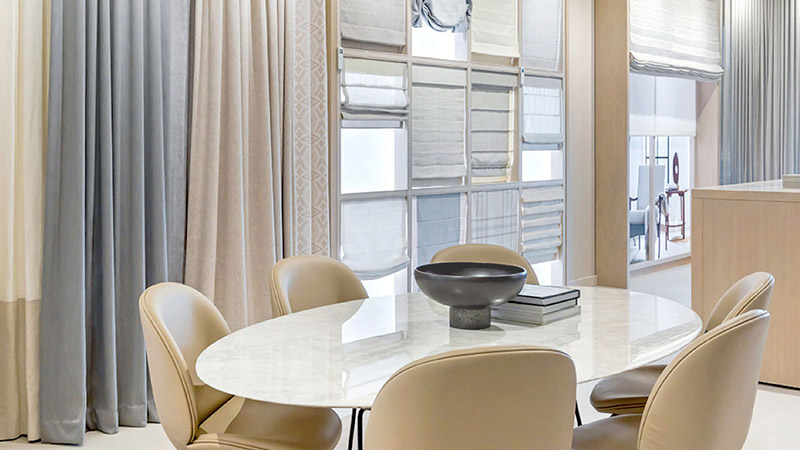
Visit your local showroom for interactive displays of all our products, 1,200+ premium material swatches and helpful Design Consultants ready to assist you.